Clinical Results of Retatrutide: What Global Trials Reveal About Its Effectiveness
Retatrutide is emerging as one of the most closely watched investigational drugs in obesity and metabolic medicine. Designed as a triple agonist targeting GLP-1, GIP, and glucagon receptors, it represents a significant departure from earlier weight-loss therapies that focused on appetite suppression alone.
For clinicians, patients, and health systems, global clinical trial data provide the most reliable foundation for evaluating whether Retatrutide’s promise translates into meaningful real-world outcomes. These studies offer insight into not just how much weight people lose, but how the drug affects blood sugar, cardiovascular risk, liver health, and long-term tolerability.
This article examines what current clinical trials reveal about Retatrutide’s effectiveness, safety profile, and long-term potential, while highlighting where evidence is strong and where questions remain.
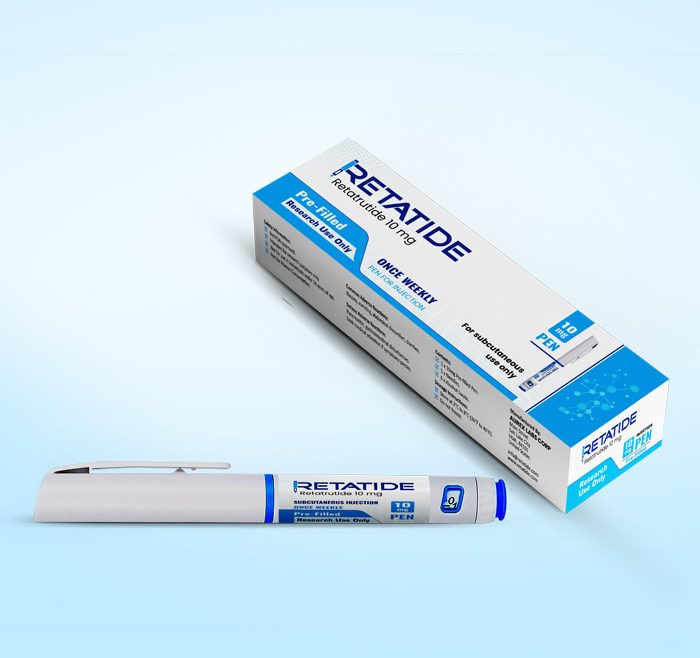
Retatrutide at a Glance: From Lab to Late-Stage Trials
Retatrutide is an incretin-based therapy developed by Eli Lilly, the pharmaceutical company behind tirzepatide (Mounjaro and Zepbound). Unlike semaglutide, which targets only the GLP-1 receptor, or tirzepatide, which targets GLP-1 and GIP, Retatrutide activates three metabolic pathways simultaneously, including the glucagon receptor.
This triple-receptor mechanism is designed to:
- Reduce appetite and caloric intake
- Improve insulin sensitivity and glucose control
- Increase energy expenditure and fat oxidation
Retatrutide has progressed through phase I safety studies, phase II dose-finding trials, and is now being evaluated in large, global phase III programmes focused on obesity, type 2 diabetes, and related metabolic conditions
(https://clinicaltrials.gov).
Global Trial Landscape: Where Retatrutide Has Been Tested
Clinical studies of Retatrutide have been conducted across North America, Europe, and other regions, reflecting the global burden of obesity and metabolic disease.
Patient populations studied include:
- Adults with obesity (BMI ≥30)
- Overweight individuals with cardiometabolic comorbidities
- Patients with type 2 diabetes and insulin resistance
Most trials follow randomised, double-blind, placebo-controlled designs, often with multiple dosing arms and treatment durations ranging from 24 to 48 weeks or longer. This structure allows researchers to assess both short-term efficacy and durability of weight loss over time.
Weight Loss Outcomes: Headline Results from Major Trials
Across phase II studies, Retatrutide has demonstrated exceptionally large reductions in body weight, exceeding outcomes seen with earlier GLP-1 therapies.
Weight-loss outcomes by dose (approximate ranges):
| Dose Range | Mean Weight Loss | Trial Duration |
|---|---|---|
| Low dose | 8–12% | 24–48 weeks |
| Medium dose | 15–20% | 48 weeks |
| High dose | 20–24% | 48 weeks |
A substantial proportion of participants achieved clinically meaningful milestones:
- ≥10% body weight loss
- ≥15% body weight loss
- ≥20% body weight loss in high-dose arms
These results significantly outperformed placebo and, in indirect comparisons, exceeded average outcomes reported with semaglutide
(https://www.nejm.org/doi/full/10.1056/NEJMoa2032183).
Metabolic Improvements Beyond the Scale
Retatrutide’s clinical benefits extend well beyond weight reduction.
Glycaemic control:
- Significant reductions in HbA1c
- Lower fasting glucose levels
- Improved insulin sensitivity in patients with and without type 2 diabetes
Cardiovascular risk markers:
- Modest reductions in systolic blood pressure
- Improvements in lipid profiles, including triglycerides
- Reduced inflammatory markers associated with cardiometabolic risk
Liver health:
Early imaging data show reductions in liver fat content, suggesting potential benefits for non-alcoholic fatty liver disease (NAFLD) and related metabolic liver disorders
(https://www.ncbi.nlm.nih.gov/pmc/articles/PMC12190491/).
Dose–Response Relationship: How Much Makes a Difference?
Clinical trials demonstrate a clear dose–response relationship with Retatrutide.
| Dose Level | Weight Loss | Side Effect Frequency |
|---|---|---|
| Low | Moderate | Low |
| Medium | High | Moderate |
| High | Very high | Increased GI symptoms |
Higher doses consistently produce greater fat loss, but are also associated with increased gastrointestinal side effects. This finding underscores the importance of dose titration, allowing patients to gradually adjust while maintaining tolerability.
Future clinical use will likely involve individualised dosing strategies to balance maximum benefit with long-term adherence.
Safety and Tolerability Across Global Studies
The safety profile of Retatrutide aligns closely with other incretin-based therapies.
Most common adverse events:
- Nausea
- Diarrhoea
- Vomiting
- Constipation
- Reduced appetite
Discontinuation rates due to side effects appear comparable to or slightly higher than GLP-1 therapies, particularly at higher doses.
To date, trials have not identified unexpected safety signals related to:
- Pancreatitis
- Thyroid disease
- Major cardiovascular events
However, regulators continue to monitor these outcomes closely
(https://www.bmj.com/content/391/bmj.r2202).
How Retatrutide Stacks Up Against Existing GLP-1 Drugs
At a high level, Retatrutide shows numerical superiority in weight loss compared with existing GLP-1 receptor agonists.
| Drug | Mechanism | Typical Weight Loss |
|---|---|---|
| Semaglutide | GLP-1 | ~12–15% |
| Tirzepatide | GLP-1 + GIP | ~18–22% |
| Retatrutide | GLP-1 + GIP + Glucagon | ~20–24% |
Retatrutide’s advantage appears strongest in:
- Degree of fat loss
- Energy expenditure effects
- Reduction of liver fat
Long-term comparative data are still needed to confirm durability and safety advantages
(https://www.medexpress.co.uk/health-centre/future-of-obesity-treatments/).
Limitations of Current Clinical Evidence
Despite promising results, current evidence has limitations:
- Trial populations may not fully reflect real-world diversity
- Follow-up periods remain relatively short for a chronic disease
- Long-term adherence and weight maintenance data are still emerging
Cost, access, and integration into public health systems also remain unknown factors influencing real-world impact.
Future Directions: Ongoing and Upcoming Retatrutide Trials
Large phase III trials are underway, focusing on:
- Long-term weight maintenance
- Cardiovascular outcomes
- Expanded metabolic indications
Regulatory agencies such as the FDA, EMA, and MHRA will rely on these data to guide approval decisions and clinical guidelines
(https://www.ema.europa.eu).
Positive results could position Retatrutide as a new benchmark in obesity pharmacotherapy.
Conclusion
Global clinical trials of Retatrutide reveal powerful and consistent weight-loss outcomes, paired with meaningful improvements in metabolic health markers. While long-term safety and durability data are still developing, current evidence suggests Retatrutide may represent a major step forward in obesity and metabolic disease treatment.
As with all emerging therapies, use should remain medically supervised and evidence-based. Ongoing trial results will ultimately determine whether Retatrutide reshapes the global standard of care for obesity.

Hi, I'm Dave Moffat the founder and Chief Editor of steroidsourcetalk.com and certified International Personal Trainer and Certified Nutritionist. My passion has always been bodybuilding but with 15 years' experience in weight loss programs too, it's hard not to mention all that when you're working at your fitness level fullest (I hope). When Im not in the gym or spending time away from my family i often think about what advice would help others achieve theirs goals just like these inspired mine.