Retatrutide vs Semaglutide: Which GLP-1 Drug Delivers Better Weight Loss Results?
In 2025, the world of medical weight loss is undergoing a revolution. GLP-1 receptor agonists have become global leaders in obesity management, transforming how doctors and patients approach fat loss, appetite control, and metabolic health.
The two most discussed medications today are Semaglutide the established, FDA-approved therapy marketed as Ozempic and Wegovy and Retatrutide, a next-generation triple agonist from Eli Lilly that’s redefining clinical expectations for weight loss results.
But which delivers better outcomes and who should consider each option? Let’s examine the science, evidence, and practical realities behind Retatrutide vs Semaglutide.

How Do Retatrutide and Semaglutide Work?
Both medications target hormonal pathways that regulate hunger, energy use, and metabolism. However, their mechanisms differ fundamentally, influencing how much weight patients can lose and how quickly results occur.
| Drug | Mechanism of Action | Primary Hormone Targets | Manufacturer |
|---|---|---|---|
| Semaglutide | Single GLP-1 receptor agonist | GLP-1 | Novo Nordisk |
| Retatrutide | Triple receptor agonist | GLP-1, GIP, Glucagon | Eli Lilly |
Semaglutide works by mimicking GLP-1 (Glucagon-Like Peptide-1) a gut hormone that reduces appetite, slows digestion, and improves insulin sensitivity. It helps users feel fuller for longer, leading to gradual fat loss and improved glycemic control (PubMed).
Retatrutide, on the other hand, amplifies these benefits by activating three metabolic receptors simultaneously GLP-1, GIP, and Glucagon. This synergistic approach enhances fat oxidation, suppresses appetite more effectively, and boosts overall energy expenditure (Men’s Health).
The result? A faster, deeper, and potentially more sustainable reduction in body fat than single-agonist therapies like Semaglutide.
Clinical Trial Results: Weight Loss Effectiveness
Head-to-head data from 2024–2025 reveal a significant difference in magnitude and speed of weight loss between Retatrutide and Semaglutide.
| Trial/Study | Drug | Average Weight Reduction | Duration | Notable Findings |
|---|---|---|---|---|
| STEP 1 (NEJM) | Semaglutide 2.4 mg | 14.9–15% | 68 weeks | 86% achieved ≥5% weight loss |
| Retatrutide Phase II (Lilly) | Retatrutide 12 mg | 24.2% | 48 weeks | 26% achieved ≥30% loss |
| TRIUMPH Phase III (ongoing) | Retatrutide | TBD (~25–30% expected) | 72 weeks | Improved liver and heart markers |
Clinical data summarized by JoinVoy and Weill Cornell Medicine show that Retatrutide consistently outperforms Semaglutide in both total fat mass reduction and metabolic improvements such as insulin sensitivity, lipid control, and liver fat reduction.
Safety and Side Effect Profile
Both Retatrutide and Semaglutide share similar gastrointestinal (GI) side effects typical of incretin-based drugs nausea, vomiting, constipation, and abdominal discomfort. However, tolerability varies depending on dosage and patient adaptation.
Semaglutide has a well-documented long-term safety record after millions of global prescriptions through NHS and FDA-approved programs.
Retatrutide, while newer, shows a comparable safety profile in early-phase data with no unexpected adverse effects, though ongoing monitoring continues in global Phase III trials.
| Side Effect | Semaglutide | Retatrutide |
|---|---|---|
| Nausea / Vomiting | Common (15–20%) | Common (18–22%) |
| Constipation | Moderate | Mild |
| Fatigue | Rare | Mild |
| Muscle Mass Preservation | Moderate | Improved in early data |
| Cardiovascular Markers | Improved | Improved + Enhanced lipid metabolism |
Accessibility, Cost, and Convenience
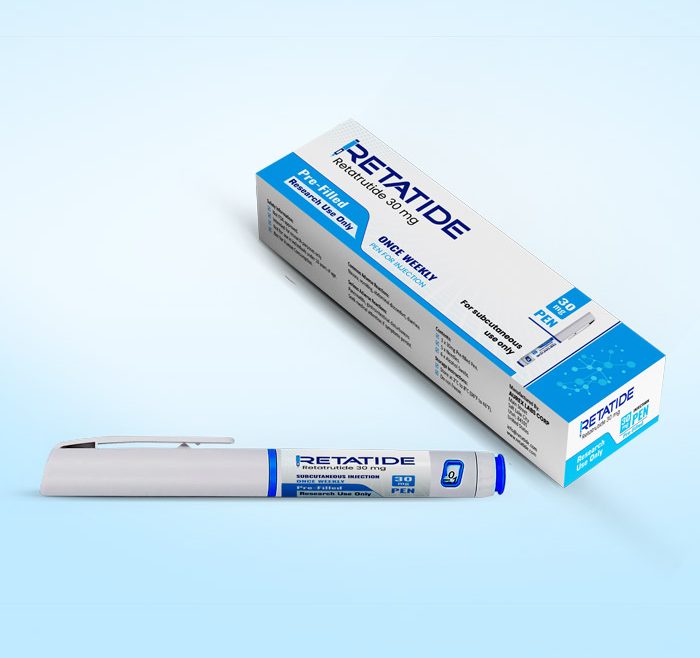
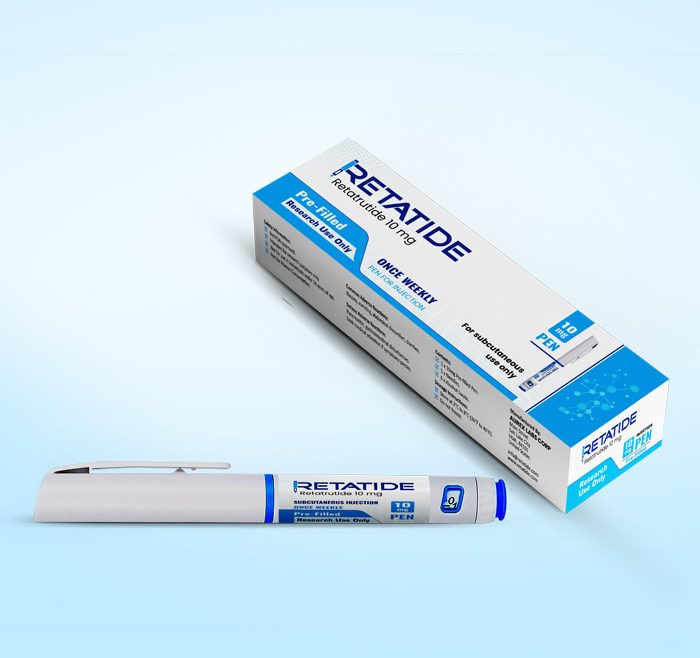
Both drugs are weekly injectable formulations, typically self-administered via pre-filled pens.
- Semaglutide is widely available in 2025 under brand names Ozempic (for type 2 diabetes) and Wegovy (for obesity). Costs vary by region but average £200–£300 per month in the UK and $900–$1,200 in the US.
- Retatrutide, by contrast, remains under regulatory review and is not yet licensed for general prescription in most markets. It is accessible only through clinical trials or authorized research channels.
Unauthorized versions have appeared online, but these are not recommended the MHRA warns of counterfeit products with unverified safety (MHRA report).
For legitimate medical-grade access once approved, UK Genuine HGH will provide regulated supply through licensed pharmacies and physician-guided consultations.
Who Should Consider Retatrutide vs Semaglutide?
The ideal candidate depends on health goals, affordability, and metabolic profile:
| Profile | Best Option | Reason |
|---|---|---|
| Overweight or Obese (BMI 30+) | Retatrutide | Faster and greater fat loss |
| Type 2 Diabetes | Semaglutide | Proven glycemic control and accessibility |
| Previous GLP-1 Resistance | Retatrutide | Multi-agonist activity may overcome plateau |
| Cost-Sensitive or Public Coverage | Semaglutide | Approved and reimbursed in many regions |
| High Cardiovascular Risk | Both | Evidence of heart-protective benefits |
A licensed physician can evaluate whether a triple agonist therapy or a GLP-1-only regimen is more suitable based on medical history, tolerance, and treatment goals.
The Future of GLP-1 Therapies
The success of Semaglutide has opened the door to a new wave of multi-agonist obesity therapies. Retatrutide represents the evolution of incretin science, integrating hormonal pathways once thought too complex to target simultaneously.
Next-generation GLP-1s are expected to:
- Offer faster fat loss with fewer GI effects
- Support muscle retention and energy regulation
- Deliver sustained metabolic improvements even after treatment cessation (MedExpress)
As research continues, the race toward safer, more effective obesity solutions will likely push Retatrutide and similar agents into mainstream medical practice within the next two years.
Conclusion
Both Semaglutide and Retatrutide mark monumental advancements in the treatment of obesity and metabolic diseases.
- Semaglutide remains the trusted, accessible standard with a proven record of success.
- Retatrutide, however, is emerging as a powerful next-generation therapy, capable of delivering nearly double the weight loss results through its triple-receptor design.
For patients and clinicians, the message is clear: the GLP-1 revolution is only the beginning. The coming years will see a transition toward multi-agonist metabolic therapies that redefine what’s possible in medical weight management.

Hi, I'm Dave Moffat the founder and Chief Editor of steroidsourcetalk.com and certified International Personal Trainer and Certified Nutritionist. My passion has always been bodybuilding but with 15 years' experience in weight loss programs too, it's hard not to mention all that when you're working at your fitness level fullest (I hope). When Im not in the gym or spending time away from my family i often think about what advice would help others achieve theirs goals just like these inspired mine.