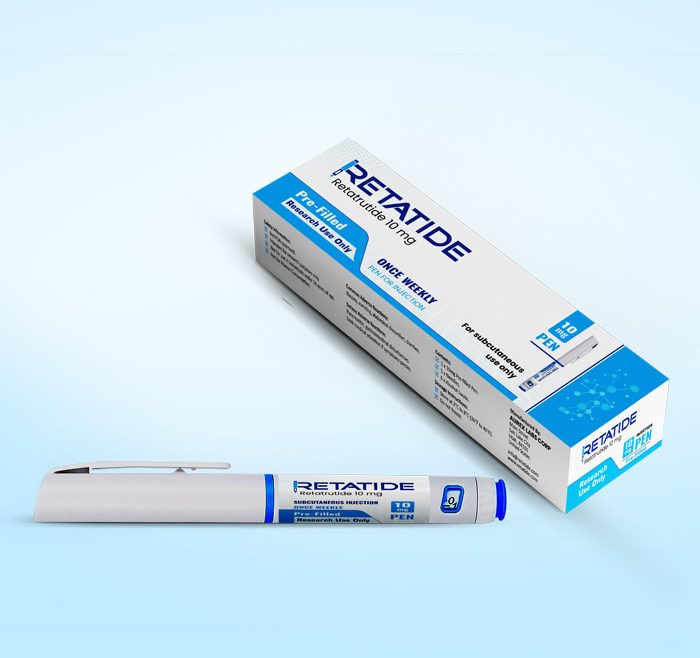
How Retatrutide Works: The Science Behind Triple-Receptor Fat-Burning Power
Medical weight loss is undergoing a fundamental shift. After years of relying on single-pathway drugs, researchers are now focusing on multi-receptor therapies that address obesity as a complex metabolic disease rather than a simple calorie imbalance. At the forefront of this shift is Retatrutide, an investigational injectable medication designed around triple-receptor activation.
Unlike earlier GLP-1 receptor agonists, Retatrutide simultaneously targets GLP-1, GIP, and glucagon receptors, creating a coordinated biological response that influences appetite, insulin regulation, and energy expenditure. This triple-agonist approach is widely viewed as the logical evolution beyond traditional GLP-1 drugs, offering deeper fat loss and broader metabolic benefits.
This article explains how Retatrutide works inside the body, breaking down the science in clear, human terms while grounding each claim in current clinical and pharmacological research.
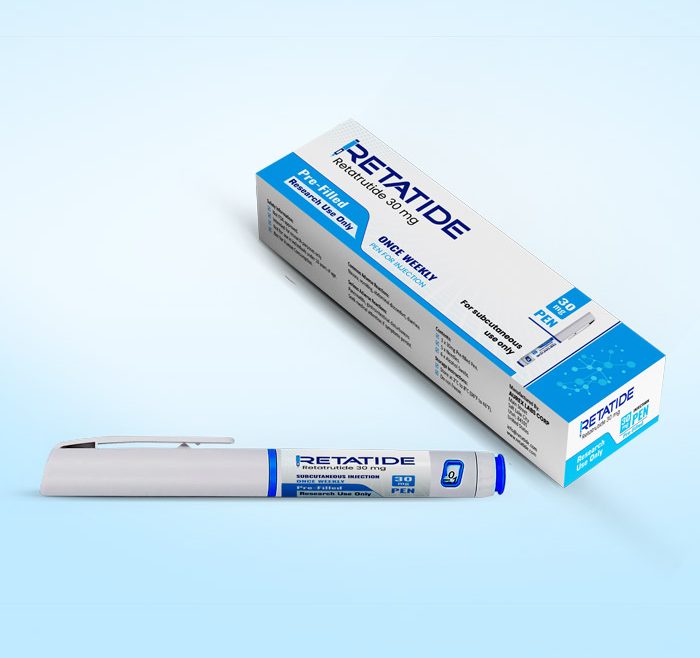
What Is Retatrutide? An Overview of the Triple Agonist
Retatrutide is a next-generation incretin-based therapy developed by Eli Lilly, the pharmaceutical company behind tirzepatide (Mounjaro). It is classified as a triple agonist because it activates three hormone receptors involved in metabolic regulation:
- GLP-1 (Glucagon-Like Peptide-1)
- GIP (Glucose-Dependent Insulinotropic Polypeptide)
- Glucagon receptor
Like semaglutide and tirzepatide, Retatrutide belongs to the broader family of incretin hormones, which influence insulin secretion and appetite. What sets it apart is the addition of controlled glucagon receptor activity, allowing it to influence not just food intake but also calorie expenditure and fat oxidation.
According to early pharmacology reviews published in Nature and ScienceDirect, this triple-pathway approach produces a more complete metabolic response than GLP-1-only therapies
(https://www.nature.com/articles/s41392-024-01931-z).
The Three Hormone Targets: GLP-1, GIP, and Glucagon Explained
GLP-1 (Glucagon-Like Peptide-1)
GLP-1 receptor activation is the foundation of many modern weight-loss drugs. It:
- Reduces appetite by acting on satiety centers in the brain
- Slows gastric emptying, helping people feel full longer
- Enhances glucose-dependent insulin secretion
These effects improve blood sugar control while naturally reducing calorie intake
(https://www.ncbi.nlm.nih.gov/books/NBK551568/).
GIP (Glucose-Dependent Insulinotropic Polypeptide)
GIP plays a complementary role:
- Enhances insulin sensitivity when glucose levels rise
- Supports energy balance and fat metabolism
- Amplifies the metabolic effects of GLP-1 when used together
Emerging research suggests GIP may improve how the body partitions energy, helping reduce fat storage over time
(https://pubmed.ncbi.nlm.nih.gov/38367045/).
Glucagon
Traditionally associated with raising blood sugar, glucagon has a second, often overlooked role:
- Increases energy expenditure
- Stimulates fat breakdown (lipolysis)
- Supports resting metabolic rate when precisely regulated
In Retatrutide, glucagon activity is carefully balanced, providing fat-burning benefits without destabilising glucose levels.
Together, these three hormones generate a coordinated metabolic signal that is stronger and more comprehensive than GLP-1 activation alone.
From Injection to Action: Step-by-Step Mechanism Inside the Body
After injection, Retatrutide enters systemic circulation and binds to receptor sites across multiple tissues.
Brain and Appetite Regulation
In the hypothalamus, GLP-1 and GIP signalling reduces hunger and food-seeking behaviour. Most patients report:
- Lower appetite
- Reduced cravings
- Easier adherence to calorie control
Pancreas and Blood Sugar Control
In pancreatic beta cells, Retatrutide enhances insulin release only when glucose is elevated, reducing post-meal spikes without increasing hypoglycaemia risk.
Liver and Fat Tissue
In the liver and adipose tissue, glucagon receptor activation:
- Increases fat oxidation
- Reduces liver fat accumulation
- Improves overall metabolic efficiency
This multi-organ action explains why Retatrutide affects both intake and expenditure, rather than relying on appetite suppression alone.
Why Triple-Receptor Activation Burns More Fat
Weight loss ultimately depends on the balance between calories consumed and calories burned. Retatrutide addresses both sides of this equation:
| Mechanism | Effect |
|---|---|
| GLP-1 + GIP | Reduced hunger, stable blood sugar, fewer energy crashes |
| Glucagon | Higher resting energy expenditure and fat oxidation |
| Combined effect | Sustained fat loss with reduced metabolic slowdown |
By increasing energy expenditure while suppressing appetite, Retatrutide creates a net fat-loss environment that persists even as body weight declines a known limitation of many older weight-loss drugs.
Clinical Results: What the Science Says About Outcomes
Clinical trials have reported unprecedented weight-loss outcomes for an injectable obesity medication.
| Outcome Measure | Retatrutide Results | Timeframe |
|---|---|---|
| Mean body-weight reduction | 20–24% | ~48 weeks |
| Waist circumference | Significant reduction | ~1 year |
| HbA1c | Meaningful decrease | In diabetic and non-diabetic patients |
| Liver fat | Major reduction | Observed via imaging |
In comparative analyses, Retatrutide outperformed semaglutide and matched or exceeded outcomes seen with tirzepatide
(https://www.thennt.com/nnt/efficacy-of-tirzepatide-retatrutide-and-semaglutide-for-weight-loss-in-obese-individuals-without-diabetes/).
Safety, Side Effects, and Dose Titration
As with other incretin-based therapies, side effects are primarily gastrointestinal and dose-dependent.
Commonly reported effects include:
- Nausea
- Diarrhoea
- Constipation
- Reduced appetite
To improve tolerability, clinical protocols use gradual dose titration, allowing the digestive system to adapt. Medical supervision is essential to manage individual response and screen for rare but serious risks.
Regulatory agencies continue to monitor long-term safety through extended trials
(https://www.bmj.com/content/391/bmj.r2202).
Where Retatrutide Fits in the Future of Obesity Treatment
Retatrutide reflects a broader shift toward multi-receptor metabolic drugs designed to treat obesity, type 2 diabetes, and metabolic syndrome as interconnected conditions.
Researchers are also exploring its potential role in:
- Non-alcoholic fatty liver disease (NAFLD)
- Cardiometabolic risk reduction
- Insulin resistance beyond diabetes
Ongoing phase III trials will determine whether Retatrutide becomes a new benchmark for obesity care
(https://www.medexpress.co.uk/health-centre/future-of-obesity-treatments/).
Conclusion: The Promise of Triple-Receptor Fat-Burning Power
Retatrutide represents a significant scientific leap in weight-loss pharmacology. By activating GLP-1, GIP, and glucagon receptors simultaneously, it delivers deeper appetite control, enhanced metabolic efficiency, and sustained fat loss.
While real-world use must remain guided by healthcare professionals and evolving evidence, understanding how Retatrutide works empowers patients and clinicians alike to make informed decisions as next-generation therapies emerge.
As obesity treatment continues to evolve, triple-agonist science is increasingly shaping the future of metabolic medicine.

Hi, I'm Dave Moffat the founder and Chief Editor of steroidsourcetalk.com and certified International Personal Trainer and Certified Nutritionist. My passion has always been bodybuilding but with 15 years' experience in weight loss programs too, it's hard not to mention all that when you're working at your fitness level fullest (I hope). When Im not in the gym or spending time away from my family i often think about what advice would help others achieve theirs goals just like these inspired mine.